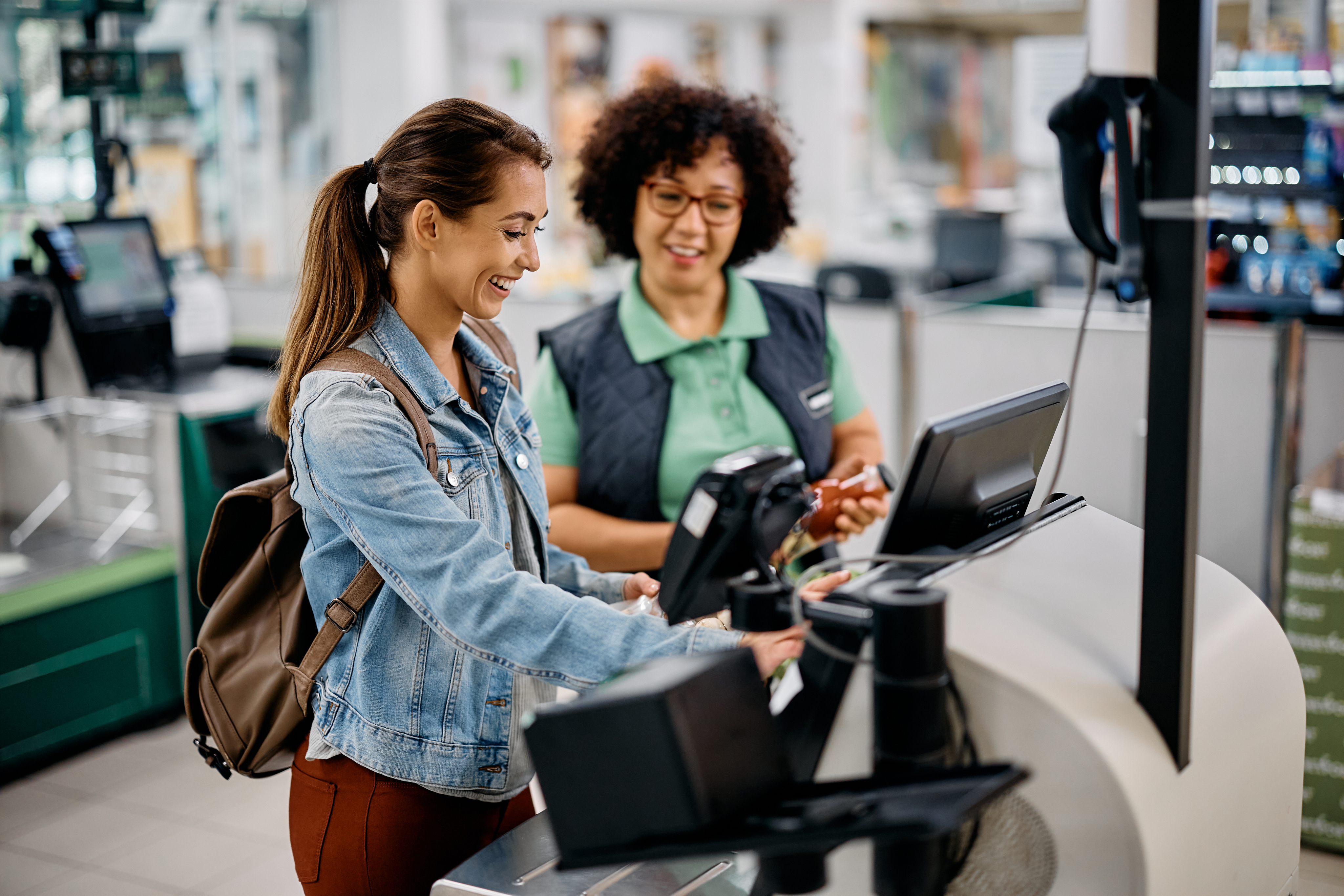
The moment a customer steps into a specialty store, the experience starts to shape how they shop. From that point on, everything they see and interact with influences how they navigate the space. The way products are presented, how easy the store feels to move through, and how the environment comes together all play a role in whether they stay and continue exploring.
An immersive retail experience takes shape through those moments. Associate interactions and the technology behind the scenes also influence the overall customer experience. When everything feels connected, the store becomes easier to navigate and more engaging to spend time in.
Creating a Store Environment That Reflects the Brand
Specialty retail stores operate with more curated assortments, which places greater emphasis on the physical space. Every design choice contributes to how the brand is experienced in person, from the layout of the floor to the way products are displayed.
Layout, lighting, signage, and product placement guide how customers navigate the store and interact with products. A well-designed layout creates a natural path through the store while still allowing customers to explore freely.
Supporting the Customer Journey from Start to Finish
Product discovery plays a central role in specialty retail because customers often visit with the intention of exploring before making a decision. Time spent engaging with products often leads to stronger purchase decisions.
In-store displays and end caps make products easy to locate while also encouraging closer interaction. This clear organization helps customers understand the assortment of products available without creating confusion. A thoughtful layout allows customers to move between products more easily across the experience.
Connecting Digital Capabilities to the In-Store Experience
Customers expect to have access to product information and availability throughout their visit, even when items are not physically present in the store. Digital capabilities help support that expectation when they are integrated into the experience in a way that feels seamless.
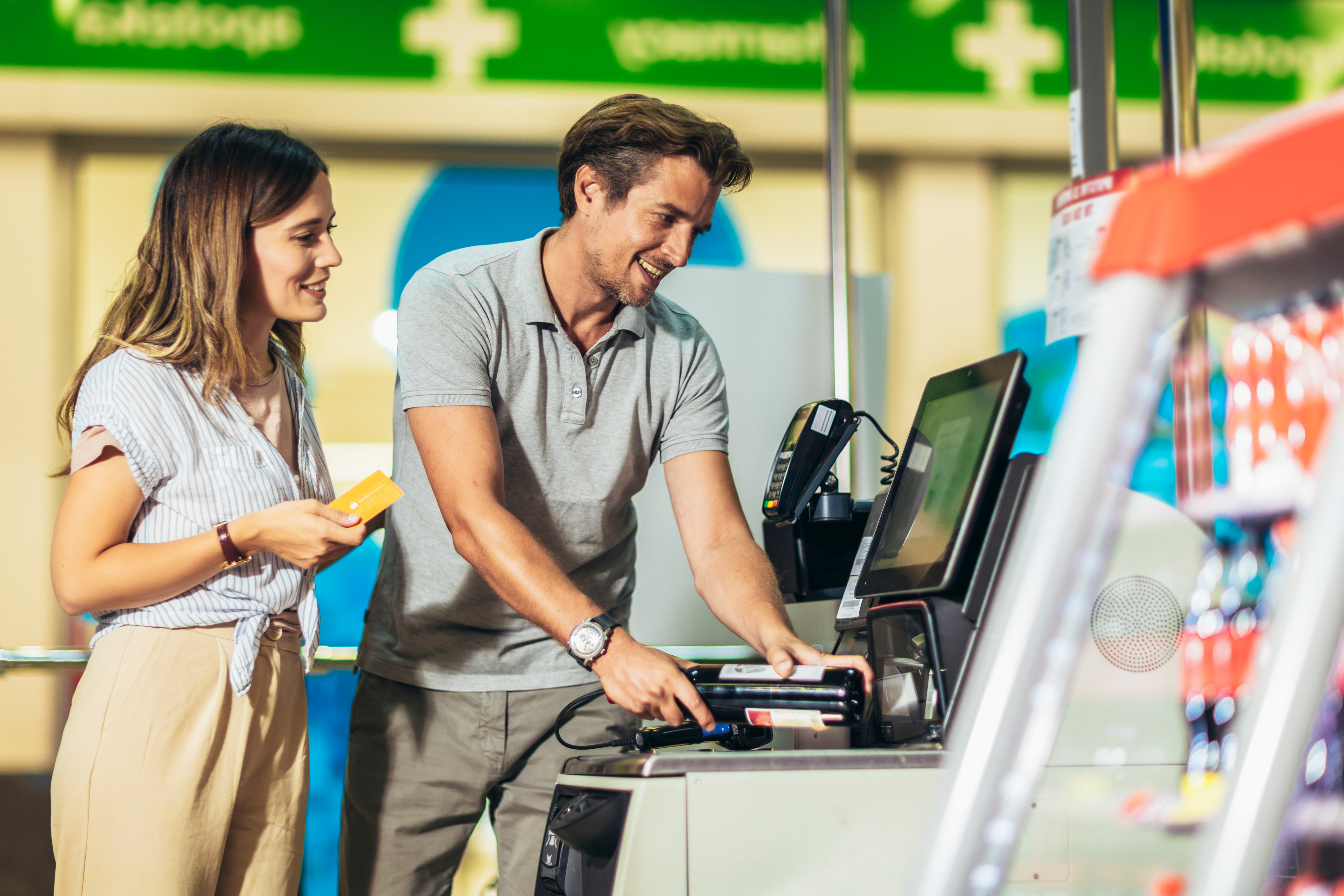
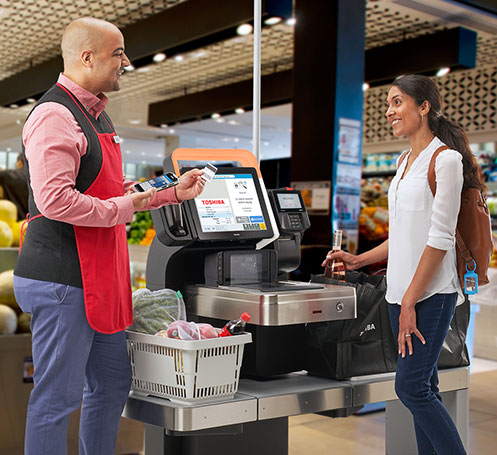
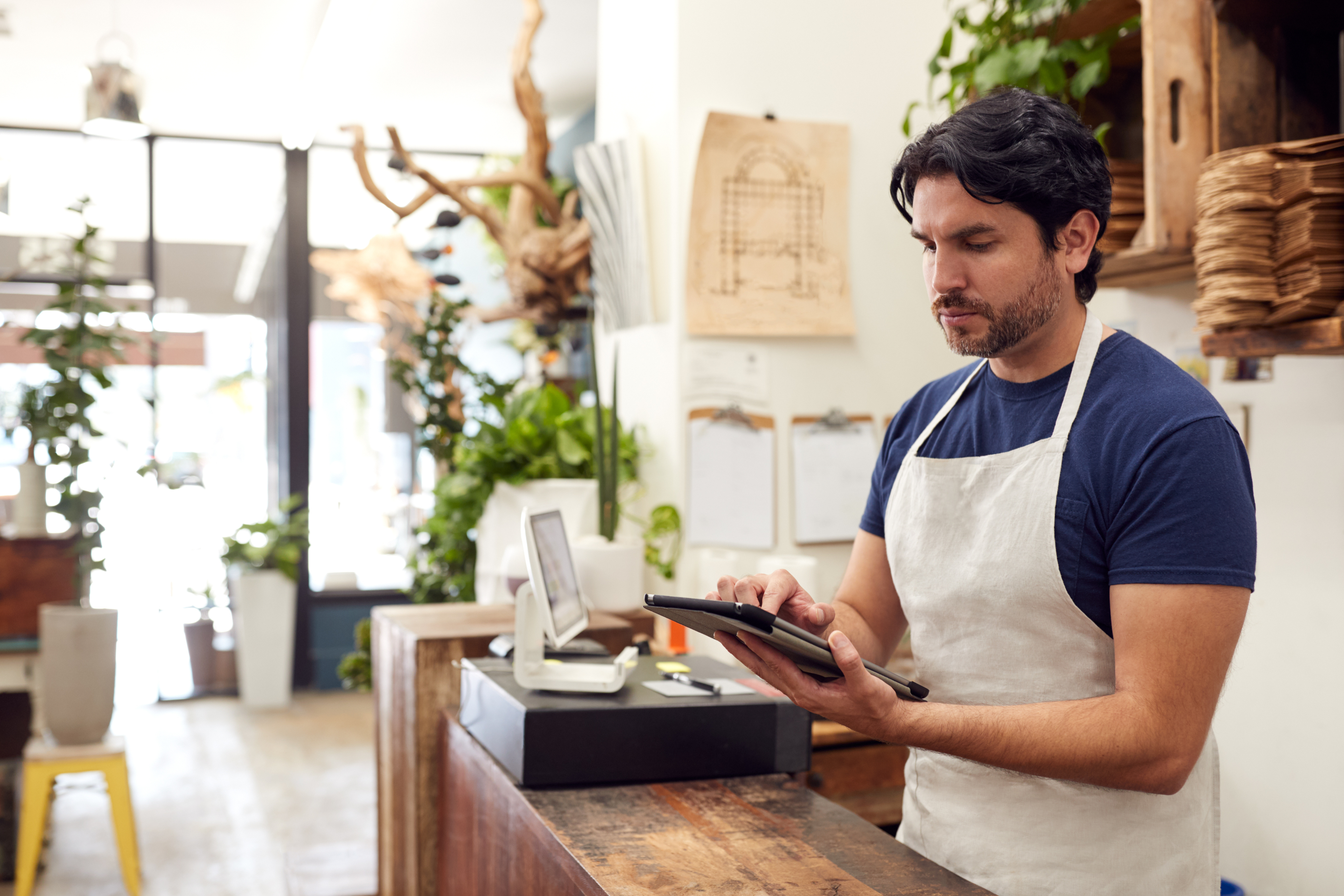
Mobile POS and endless aisle capabilities allow associates to assist customers without interrupting the flow of the visit. These tools help maintain continuity from browsing through purchase, which keeps the experience consistent.

Elevating the Role of Store Associates
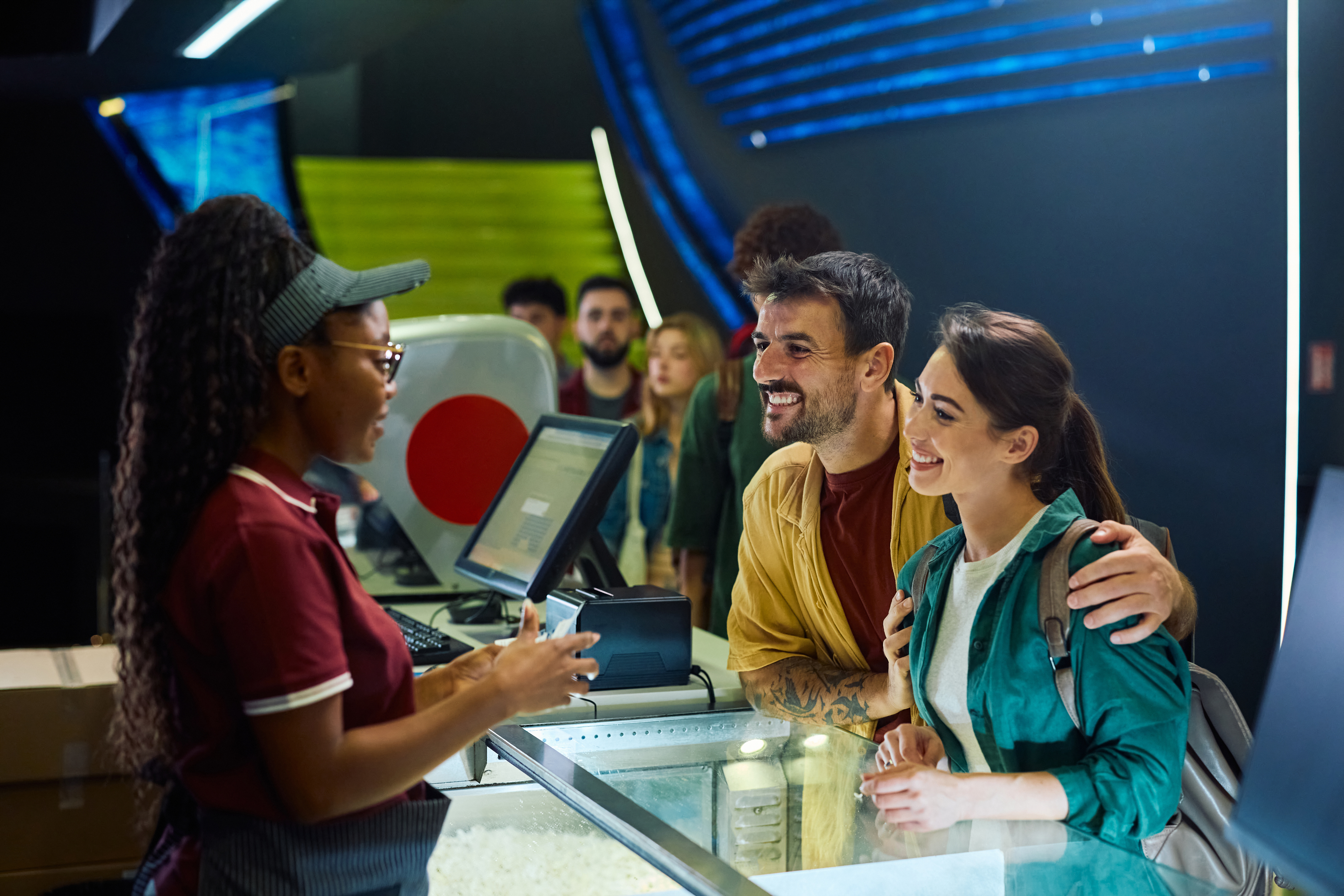
Associates play a defining role in specialty retail because customers often rely on their knowledge and recommendations. The quality of these interactions shapes how the overall experience is remembered.
When associates have access to real-time product information and inventory visibility, they can guide customers with clarity and confidence. This leads to more relevant conversations that feel natural, with responses that are tailored to what the customer is looking for in that moment. These moments build trust and strengthen the connection between the customer and the brand.
Designing for Change Without Losing the Experience
Specialty retail requires a balance between maintaining a consistent brand presence and adapting to new products and changing expectations. Store design should support both stability and flexibility over time. Modular fixtures and adaptable layouts allow retailers to introduce updates without disrupting the overall experience.
In addition, new collections and seasonal changes can be incorporated in a way that feels natural within the space. A flexible design approach helps the store remain current while still feeling familiar. This way, customers can recognize the space while also discovering something new during each visit.
Measuring Customer Engagement
A quality in-store experience should also translate into measurable outcomes. Understanding how customers interact with the store environment provides valuable insight into performance.
Metrics such as conversion rates and average transaction value help retailers evaluate how the experience is functioning. Customer feedback adds context to these metrics and highlights areas for improvement. Ongoing analysis allows retailers to continuously refine the in-store experience.
How Specialty Retail Moves Forward
Designing immersive retail experiences in specialty retail relies on alignment across store design, technology, and human interaction. Each of these elements contributes to how customers engage with the brand. When these elements work together, the store feels cohesive and allows customers to move through the store with ease and engage more deeply with products.
A well-designed store experience strengthens the connection between the customer and the brand, creating a sense of familiarity and trust. Over time, those connections encourage customers to return, turning each visit into part of a lasting relationship.